
Every family wants a home that works as hard as they do, yet turning a house into a truly functional and stylish space can feel overwhelming. Between busy schedules, growing kids, and everyday wear and tear, it is easy to put off the projects that would actually make daily life easier. This guide breaks down how to approach your home room by room and system by system, so you can prioritize upgrades that reflect your family’s personality while solving real, everyday problems. Whether you are starting with a small refresh or a full renovation plan, these tips will help you make confident, informed decisions.
Start With a Whole Home Vision

Before picking paint colors or furniture, take time to think about how your family actually lives day to day. Walk through a typical Tuesday morning, a Saturday afternoon, and a weeknight dinner to see where the friction points really are. Consider morning routines, homework time, entertaining habits, and how much storage you truly need versus what you currently have.
Be specific: does your family need a drop zone for backpacks and shoes near the door, or a quiet corner for reading before bed? Do you host guests four times a year or four times a month, and does your current layout support that? Jot these patterns down room by room rather than relying on memory alone.
A clear vision keeps you from making disconnected decisions that do not work together once the dust settles. It also gives you a reference point to return to when a beautiful item tempts you but doesn’t actually fit how your household functions.
Walk through your home room by room and take notes on what frustrates you daily, from a cluttered mudroom that swallows shoes and backpacks to a kitchen that feels cramped during family dinners. Note not just what bothers you, but when and why: is the dining table too small for homework and meals to coexist, or does the living room lack storage for toys and games? These details reveal patterns that a quick glance around the house won’t show.
This exercise helps you separate cosmetic wants, like updated countertops, from functional needs, like better traffic flow between the kitchen and backyard. That distinction matters most when budgeting for larger projects, since functional fixes often deliver more daily value per dollar than aesthetic upgrades. A $5,000 mudroom overhaul that ends the morning shoe scramble may matter more to your household than a kitchen backsplash.
A written plan, even a simple one, will guide every decision that follows. Try organizing it as a room-by-room list with three columns: the frustration, the ideal fix, and a rough priority level (must-have, nice-to-have, or someday). This document becomes your reference point when contractors, designers, or even furniture shopping trips threaten to pull you off course.
Evaluate Your Home’s Structural Foundation First
Style updates matter, but they mean little if your home has underlying structural issues that could cause damage later. Before investing in new furniture or finishes, it is worth having your foundation and roof inspected by professionals who understand the age and construction of your home. Catching problems early often saves thousands of dollars down the road.
If you notice musty odors, cracks in the foundation, or standing water after storms, it may be time to call basement waterproofing contractors to assess the situation. Similarly, missing shingles, water stains on ceilings, or a roof older than twenty years are signs that roof replacement should be part of your near-term planning. Addressing these issues protects the investment you make in every other room of the house.
- Schedule a professional inspection before starting any major renovation
- Ask contractors for references and proof of licensing and insurance
- Budget separately for structural repairs versus cosmetic upgrades
- Keep records of any repairs for future resale value
Build Outdoor Spaces the Whole Family Will Use
Outdoor living areas have become an extension of the home, offering a place for family dinners, game nights, and quiet mornings with coffee. Rather than treating your yard as an afterthought, think about how your family spends time outside and design around those habits. A well-planned patio or deck can quickly become the most used space in the house.
For families who love to entertain, built in outdoor grills offer a permanent, convenient cooking station that eliminates the need to haul equipment in and out of storage. Pairing this with hardscaping from a local patio builder can create a cohesive outdoor room complete with seating, shade, and defined pathways. These additions often provide strong returns both in daily enjoyment and long-term home value.
- Consider traffic flow between the kitchen and outdoor cooking area
- Choose durable materials that hold up to your regional climate
- Add lighting for safe evening use
- Leave room for future additions like a fire pit or seating wall
Rethink the Bathroom for Daily Convenience
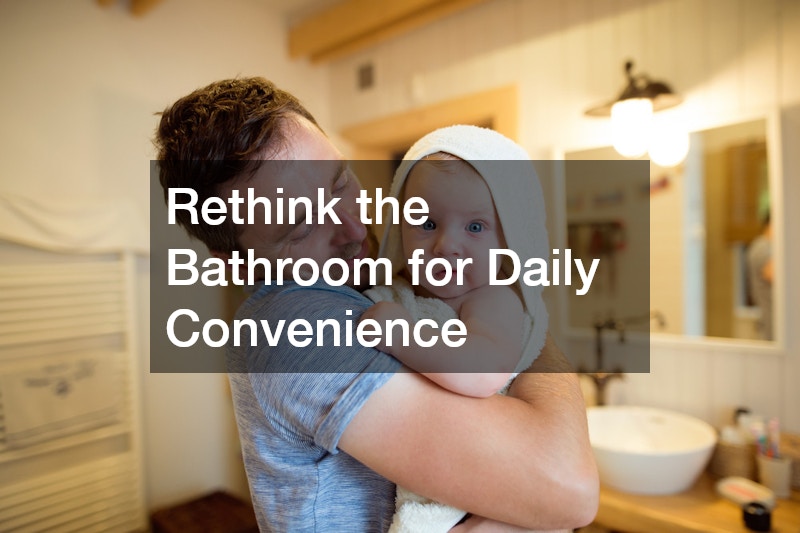
Bathrooms often get overlooked in style planning, yet they are used multiple times a day by every member of the household. A thoughtful bathroom remodel can address storage shortages, outdated fixtures, and layout issues that make mornings more stressful than they need to be. Small changes, like adding a second sink or improving ventilation, can make a noticeable difference in daily comfort.
When planning updates, think beyond aesthetics to consider durability and maintenance, especially in high-traffic family bathrooms. Water-resistant flooring like porcelain tile or luxury vinyl plank stands up to splashes and spills far better than materials such as natural stone or hardwood, which can warp or stain over time. Look for tile with a slip resistance rating of R10 or higher, particularly near tubs and showers, so wet feet don’t turn into a safety hazard.
Easy-to-clean surfaces matter just as much. Quartz countertops and grout-free shower panels resist mildew and scrubbing marks, saving precious minutes during busy morning routines. Matte or honed finishes also hide water spots and toothpaste splatters better than high-gloss surfaces, which show every fingerprint under bathroom lighting.
Smart storage solutions, such as labeled bins, pull-out drawers, or floating shelves at kid-friendly heights, help the space stay functional even with kids running in and out. Installing a lower shelf around 30 to 36 inches high lets younger children reach their own toothbrushes and towels without help, building independence while keeping counters clear. Separate bins or baskets for each family member’s toiletries can also cut down on the morning scramble to find a hairbrush or sunscreen.
A well-designed bathroom balances style with practicality so it looks good, stays organized, and holds up over years of daily use. Choosing finishes with a 15-year lifespan or longer, rather than trend-driven materials that date quickly, ensures the space keeps working for your family as needs and routines evolve.
Choose Storage Solutions That Match Your Lifestyle
Clutter is one of the biggest complaints families have about their homes, and much of it comes down to poor storage planning rather than a lack of space. Custom or semi-custom cabinetry can solve this problem by creating storage tailored to how your family actually uses each room. Kitchens, mudrooms, and closets all benefit from thoughtful, built-in organization.
Visiting a local cabinet showroom in person allows you to see finishes, hardware, and layouts up close before committing to a design. This hands-on approach helps you choose materials that fit your family’s style while ensuring the cabinetry will hold up to daily use. Many showrooms also offer design consultations that can help you maximize awkward or underused spaces.
- Measure existing spaces carefully before shopping for cabinetry
- Prioritize soft-close hinges and drawers for households with kids
- Choose finishes that resist scratches and moisture
- Ask about warranty coverage on materials and installation
Maintain Curb Appeal Without the Guesswork

A home’s exterior sets the tone for how the whole property feels, and regular upkeep prevents small issues from becoming expensive repairs. Dirt, algae, and mildew build up on siding, driveways, and walkways over time, dulling even a well-designed exterior. Left unchecked, that grime can trap moisture against surfaces, leading to wood rot, cracked concrete, or premature paint failure.
A simple seasonal schedule takes the guesswork out of maintenance. Pressure washing siding and walkways once or twice a year removes buildup before it becomes embedded, while gutters should be cleared every spring and fall to prevent water damage and pest nests. Driveways and decks benefit from a deeper cleaning and resealing every one to two years, depending on climate and foot traffic.
Small details matter just as much as the big tasks. Trimming overgrown shrubs, refreshing mulch beds, and touching up faded house numbers or mailbox paint can make a home feel intentionally cared for rather than neglected. Even a five-minute walk around the property each month to spot peeling paint, loose shutters, or cracked pavement can catch problems early.
Scheduling routine cleanings and small repairs keeps your home looking its best year-round, without requiring a major overhaul. Consistent, low-effort maintenance protects your investment and ensures your curb appeal matches the care you’ve put into the rest of the home.
Curb appeal often comes down to maintenance you can’t always see from the curb, like mildew buildup on siding or algae stains creeping across a driveway. Hiring one of the reputable pressure washing companies in your area can restore siding, decks, and driveways using the right pressure settings and cleaning solutions for each surface, without the risk of damage that comes from improper DIY cleaning, such as stripped paint or warped wood.
Overgrown trees and shrubs can be just as impactful on curb appeal, and safety, which is why many homeowners rely on a professional tree trimming company to keep branches away from rooflines, gutters, and power lines. Regular trimming, typically once or twice a year depending on species and growth rate, also reduces the risk of storm damage and pest infestations.
Together, these services protect your home’s exterior while keeping it visually appealing, and scheduling them seasonally can help you catch small issues before they become costly repairs.
- Schedule exterior cleaning at least once or twice a year, focusing on siding, walkways, and windows where dirt and pollen build up fastest
- Trim trees and shrubs before storm season to reduce the risk of falling limbs damaging your roof or siding
- Check gutters and downspouts during routine maintenance visits, clearing debris every spring and fall to prevent water backup
- Inspect the roofline and flashing during the same visits, since small leaks often show up as stains before real damage appears
- Address stains, mildew, or algae quickly with a diluted bleach or oxygen cleaner before they spread across brick, stucco, or siding
- Touch up exterior paint or caulking around doors and windows once a year to keep moisture out and colors looking fresh
Transform the Garage Into Usable Space
For many families, the garage becomes a catch-all storage area rather than a functional part of the home. With some planning, this space can serve as a workshop, gym, or organized storage hub that still leaves room for vehicles. Flooring is often the easiest place to start when upgrading this often-neglected area.
Many homeowners are turning to garage floor coating services to create a durable, easy-to-clean surface that resists stains, oil, and heavy foot traffic. These coatings also brighten the space and make it feel more like an extension of the home rather than an afterthought. Combined with better shelving and lighting, a coated floor can completely change how your family uses this space.
Add a Backyard Feature That Brings the Family Together

For families who spend a lot of time outdoors, a pool can become the centerpiece of summer memories and everyday relaxation. Beyond the fun factor, a well-designed pool area adds visual interest and can increase your property’s overall appeal. Planning ahead ensures the pool fits both your yard and your family’s lifestyle.
Working with local pool builders who understand your region’s soil, drainage, and climate conditions helps avoid costly mistakes down the road. They can also guide decisions about size, shape, and safety features that suit families with young children or pets. A properly planned pool becomes an extension of your home’s living space rather than an isolated feature in the yard.
Balance Style and Function in Every Room
Once the major systems and outdoor spaces are addressed, it becomes easier to focus on the details that reflect your family’s personality. Think about color palettes, textures, and furniture layouts that support how each room is actually used, not just how it looks in photos. Function should always guide style decisions, especially in shared family spaces.
Small, intentional touches like family photo displays, durable fabrics, and flexible furniture arrangements help a home feel personal without sacrificing practicality. Rooms that adapt to different activities, from homework to hosting guests, tend to get more use and satisfaction over time. The goal is a home that feels styled but never staged.
- Choose furniture that can adapt to multiple uses
- Incorporate durable fabrics in high-traffic areas
- Use lighting layers to shift a room’s mood throughout the day
- Leave room for personal touches like art and photos
Designing a home that reflects your family’s style is an ongoing process, not a one-time project, and it works best when tackled with a clear plan and the right priorities. Start with the structural basics, move into the spaces your family uses most, and finish with the personal details that make your house feel like home. Taking one project at a time keeps the process manageable and ensures each decision supports both your lifestyle and your budget. With some research and the right professionals by your side, you can create a home that truly works for the way your family lives.