Creating a home that fosters play is about more than just scattering toys across a living room rug; it is about engineering an environment where children can push their physical limits without encountering catastrophic risks. As parents and homeowners, we often view safety through the lens of restriction—locking doors, gating stairs, and hiding away the “good” breakables. However, true safety-centric design focuses on the concept of the “Yes-Space.” This is an area where every element has been vetted for security, allowing the caregiver to step back and the child to explore with total autonomy.
Designing for play requires a multi-disciplinary approach. It involves looking at the friction of your floors, the height of your countertops, the structural integrity of your outdoor spaces, and the invisible systems, like electricity, that power your home. A truly safe home doesn’t feel like a padded cell; it feels like a high-performance playground where the risks are managed and the hazards are eliminated. In this guide, we will walk through every zone of the home to ensure your next renovation or weekend project contributes to a lifetime of safe memories.
Flooring and Structural Baselines
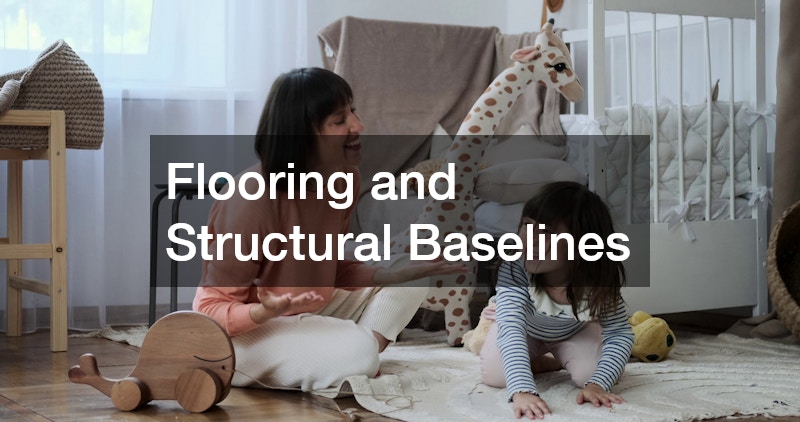
The floor is the primary interface for any playing child. Whether they are crawling, sprinting, or building massive block towers, the surface beneath them dictates the severity of the inevitable tumble. While hardwood and tile are beautiful, they offer zero shock absorption. Designing for safety starts with selecting surfaces that provide traction and cushioning.
In high-traffic areas or converted play zones like garages and basements, the surface needs to be indestructible yet safe. Many modern families are looking toward professional finishes that can handle spills, heavy toy impact, and high-speed running. High-quality epoxy floor coatings are an excellent solution for these “rough-and-tumble” zones. Unlike unfinished concrete, which is abrasive and porous, these coatings provide a seamless, easy-to-clean surface that can be customized with slip-resistant additives to prevent sliding during a game of tag.
Beyond the texture of the floor, the structural elements of your rooms—such as fireplaces and built-in shelving—must be evaluated. A heavy stone hearth can be a major head-injury risk. When planning a renovation, consulting with masonry services can allow you to design “soft-edge” stonework. A professional mason can create rounded corners on hearths or use recessed designs that minimize sharp protrusions into the walking path.
- Traction Control: Use area rugs with high-quality non-slip pads on hardwood floors.
- Transition Strips: Ensure that the “lip” between different flooring types (e.g., carpet to tile) is flush to prevent tripping.
- Impact Zones: Consider interlocking foam mats or cork flooring for dedicated playrooms.
Kitchen Safety and Smart Remodeling
The kitchen is often referred to as the heart of the home, but for a toddler, it is a forest of tempting handles, hot surfaces, and sharp objects. Making this space safe for play and involvement requires a shift in how we think about cabinetry and appliance layout.
If you are planning a major update, collaborating with a kitchen remodeling company can help you integrate safety features that are “invisible” to the eye but vital for protection. This includes specifying “soft-close” dampers on all drawers and doors to prevent pinched fingers—a common injury in fast-paced households. Designers can also help you create a “Zone of Autonomy”—a specific lower cabinet filled with plastic containers and safe wooden spoons where a child is allowed to play while you cook, keeping them away from the oven and dishwasher.
The technical side of the kitchen is equally important. Children are naturally curious about “glowy” things and holes, making outlets a primary concern. Modern building codes often require tamper-resistant outlets, but if your home is older, you should engage professional electrical services to upgrade your system. These professionals can install pop-up outlets on islands that remain hidden when not in use or move traditional wall outlets to heights that are less accessible to crawling infants.
- Induction Cooking: Consider switching to induction cooktops, which stay cool to the touch even when the “burner” is on, significantly reducing burn risks.
- Locking Mechanisms: Use magnetic hidden locks for cabinets containing cleaning supplies or heavy cookware.
- Small Appliance Safety: Ensure cords for toasters and kettles do not dangle over the edge of the counter where they can be pulled down.
Mastering Stairs and Railings
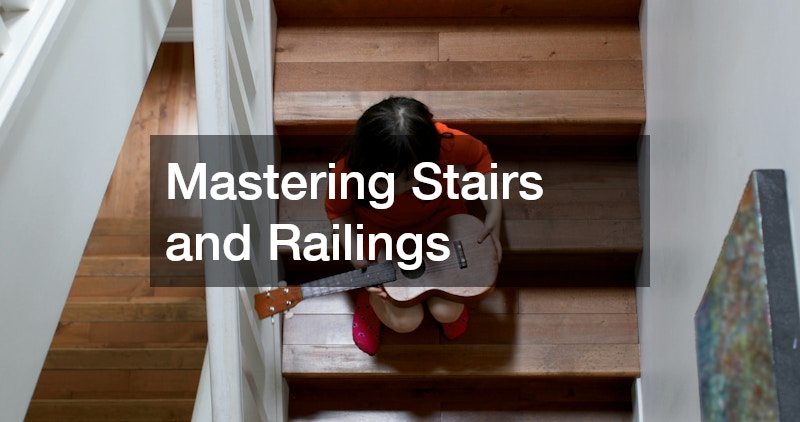
Stairs are statistically one of the most dangerous areas in a home for both children and the elderly. Safety here isn’t just about a baby gate; it’s about the structural geometry of the staircase itself.
The most critical component of a safe staircase is the balustrade system. To prevent a child from getting their head stuck or slipping through, the gap between balusters should never exceed four inches. If your current home has wide-set railings, it is time for an upgrade. Installing modern, sturdy stair railings is a non-negotiable for multi-story homes. These should be graspable for small hands, meaning the diameter of the handrail should allow a child to get a firm grip during a stumble.
While the railings provide the “catch,” the steps themselves need to be visible and stable.
- No-Slip Treads: Add transparent anti-slip adhesive strips to wooden or polished stone stairs.
- Continuous Handrails: Ensure the railing starts before the first step and ends after the last, providing a “lead-in” for the user.
- Lighting: Install recessed LED lighting along the baseboards of the staircase to illuminate each tread during midnight bathroom runs.
Bathroom Security and Accessibility
Bathrooms are high-risk zones due to the combination of water, hard surfaces, and chemicals. Designing for play-safe hygiene means thinking about how a child interacts with the sink and the tub.
When you work with a bathroom remodeling company, you can request the installation of thermostatic mixing valves. These devices cap the water temperature at a safe level (usually 120 degrees Fahrenheit or lower) right at the source, ensuring that even if a child turns the hot water handle all the way, they won’t suffer a third-degree burn. Additionally, curbless showers are becoming a popular safety trend; by removing the “trip lip” of the shower entry, you create a seamless floor that is much easier for children to navigate.
- Storage at Height: Ensure all medications and cosmetics are stored in a locked cabinet at least five feet off the ground.
- Anti-Slam Toilets: Install slow-close toilet lids to prevent the heavy porcelain from crushing small hands.
- Weighted Step Stools: Use wide-base, non-slip step stools to allow children to reach the sink without over-stretching or wobbling.
Perimeter and Sightlines

The backyard is the ultimate theater for play, but it presents a different set of challenges than the controlled environment of the indoors. The first step in outdoor safety is containment.
A secure boundary is essential for peace of mind. Investing in professional home fencing ensures that children can run freely without the risk of darting into the street or wandering into a neighbor’s pool area. The fence should be “climb-resistant,” meaning it lacks horizontal foot-holds that a curious child could use as a ladder. Gaps should be minimal, and latches should be placed at a height that requires an adult’s reach or a complex two-step opening process.
Once the perimeter is secure, you must look at the “floor” of your outdoor space. While a lush lawn is the goal, many yards have hidden dips, exposed roots, or drainage issues. Professional landscapers can help grade the land to ensure a flat, predictable surface for running. They can also recommend “play-rated” mulch or rubberized bark for areas under swing sets, which provides the necessary fall-height protection that grass cannot offer.
- Visibility: Design your outdoor landscaping so there are clear sightlines from the kitchen or patio windows to the primary play area.
- Soft Landings: Maintain a “fall zone” of at least six feet in all directions around play equipment.
- Non-Toxic Planting: Ensure your garden does not include plants like Oleander or Foxglove, which are toxic if ingested.
Decks and Overhead Hazards
Decks are a wonderful extension of the home, but as elevated structures, they require rigorous maintenance to remain safe for children. A deck is more than just a floor; it is a platform that must withstand the lateral force of kids leaning against railings and the vertical force of jumping.
When considering deck building, the choice of materials and the construction of the railing are paramount. Composite decking is often preferred for play-safe homes because it never splinters—a common hazard with older pressure-treated wood. Furthermore, the railing on a deck should be vertical. Horizontal “cable” railings, while trendy, act as a ladder for adventurous toddlers. A professional builder will ensure the deck is bolted correctly to the house’s ledger board, preventing the catastrophic structural failures that can occur with DIY builds.
Safety also comes from above. Many homeowners overlook the canopy of trees hanging over their play areas. Dead limbs, known as “widow-makers,” can fall without warning during a light breeze. Regular inspections by tree services are vital. These experts can identify structural weaknesses in large oaks or maples, prune back heavy limbs that hang over the play-set, and remove invasive species that might drop irritating saps or thorns into the play space.
- Gap Management: Ensure the space between the deck floor and the bottom rail is less than four inches to prevent a child from sliding underneath.
- Surface Heat: Be aware that some dark-colored composite decks can become hot enough to burn bare feet; choose lighter colors or “cool-deck” technology.
- Structural Check: Once a year, check for loose bolts, rusted joist hangers, and wood rot.
Utility and Invisible Hazards
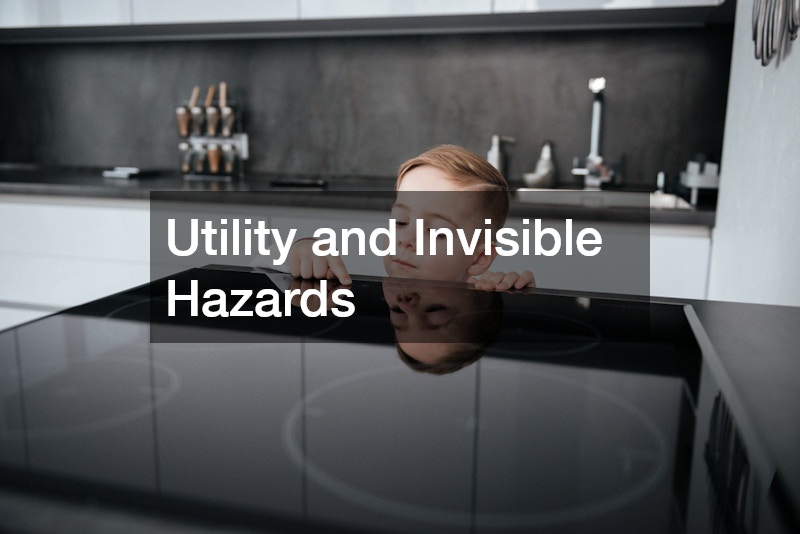
While the visible elements of a home get the most attention, the “veins” of the house—the wiring and the plumbing—pose significant risks if not managed. As a child’s play becomes more complex, their interaction with the home’s utilities increases.
Electrical safety goes beyond just the outlets in the kitchen. In playrooms and bedrooms, cords for lamps, monitors, and gaming consoles should be encased in cord organizers or channeled through the wall. If you are adding a new play wing or finished basement, having your electrical services professional install a dedicated circuit for the playroom can prevent overloads. They can also install “Whole-House Surge Protection” to ensure that if a child does manage to cause a short-circuit, the system shuts down instantly before a fire can start.
Water safety is equally critical, even outside the bathroom. If you have an outdoor kitchen or a pool house, the same rules apply. Ensure that all outdoor outlets are GFCI (Ground Fault Circuit Interrupter) protected, which shuts off the power if it detects the presence of water.
- Cord Shortening: Use “cord shorteners” for window blinds to eliminate strangulation hazards.
- Anchor Furniture: Use L-brackets to secure dressers, bookshelves, and TV stands to the wall studs; a climbing child can easily topple a heavy unit.
- Smoke and Carbon Monoxide: Ensure detectors are placed inside every bedroom and in the main play area, with batteries tested every six months.
Designing a home for safety in play is an investment that pays dividends in both the well-being of your children and the long-term value of your property. By focusing on high-quality materials and professional installations, you move away from the “stop-gap” measures of plastic corner guards and toward a home that is fundamentally secure.
The transition from a “regular” home to a “play-safe” home involves looking at every surface, from the epoxy floor coatings in the garage to the stair railings in the foyer, with a critical eye. It means trusting the expertise of landscapers to create a safe yard and a kitchen remodeling company to build a kid-friendly culinary space. When you take the time to build these safeguards into the very fabric of your home, you create a space where the only thing your children have to focus on is the joy of discovery.
A safe home is the ultimate gift for a child. It provides them with the freedom to fall and get back up, to run without fear, and to explore the world around them in a space that was built specifically to protect their curiosity. As they grow, your home will adapt with them, remaining a sanctuary of safety for years to come.